
Company Profile
In 2015, Zhejiang Noah Fluorochemical Co., Ltd was founded. And from this day on, it has been aimed to become the biggest and best manufacturer of of perfluoro (2-methyl-3-pentanone) (FK-5-1-12) and fluorochemicals. In 2016, Noah establised the national first 2,000 tons/year device for perfluoro (2-methyl-3-pentanone) (FK-5-1-12) and fluorochemicals. And in 2020, Noah set up the second device to form 5,000 tons/year capacity.
Why Choose Us
Our Certificate
The company has perfect quality control management system, passed the ISO9001 / ISO14001 / OHSAS18001 management system certification; FK-5-1-12 is UL listed, FM approved and REACH registered.
Production Equipment
Now the company has established 5000 tons of fine fluorine chemicals production equipment.
Production Market
Zhejiang Noah's perfluoro (2-methyl-3-pentanone) (FK-5-1-12) and fluorochemicals has been sold all over the world, and its quality has been highly comfirmed by all the customers worldwidely. Presently, we have customers from America, Brazil, England, France, Spain, Italy, Russia, Ireland, Turkey, Singapore, UAE, Saudi Arab, Malaysia, Tailand etc.
Professional Team
We are passionate about providing world-class service experiences.

At normal temperature, FK5112 extinguishant is colorless, transparent and insulating liquid. it is the novel environmental harmonic and clean extinguishing agent.

At normal temperature, FK5112 extinguishant is colorless, transparent and insulating liquid. it is the novel environmental harmonic and clean extinguishing agent.

At normal temperature, FK5112 extinguishant is colorless, transparent and insulating liquid. it is the novel environmental harmonic and clean extinguishing agent.
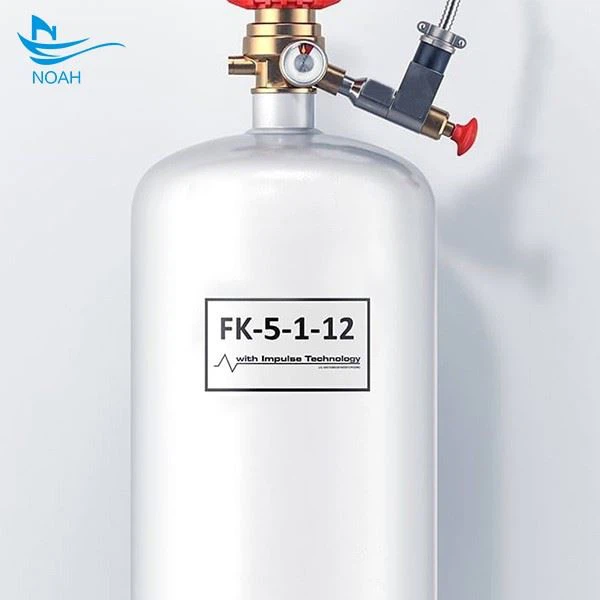
At normal temperature, FK-5-1-12 China agent is colorless, transparent and insulating liquid. it is the novel environmental harmonic and clean extinguishing agent.

FK-5-1-12 Foam Automatic Fire Suppression Systems For Vehicle
At normal temperature, FK-5-1-12 China agent is colorless, transparent and insulating liquid. it is the novel environmental harmonic and clean extinguishing agent.

FK-5-1-12 Fire Suppression System
At normal temperature, FK-5-1-12 China agent is colorless, transparent and insulating liquid. it is the novel environmental harmonic and clean extinguishing agent.

Fire Cylinder FK-5-1-12 Fire Firefghting
At normal temperature, FK-5-1-12 China agent is colorless, transparent and insulating liquid. it is the novel environmental harmonic and clean extinguishing agent.

Fire Suppression Systems For Electric Equipment
At normal temperature, FK-5-1-12 China agent is colorless, transparent and insulating liquid. it is the novel environmental harmonic and clean extinguishing agent.

Indirect FK-5-1-12 Automatic Fire Suppression Systems For Electric Equipment
At normal temperature, FK-5-1-12 China agent is colorless, transparent and insulating liquid. it is the novel environmental harmonic and clean extinguishing agent.
What is FK-5-1-12 Clean Agent?
FK-5-1-12 Clean Agent is any type of fire extinguishing agent that is electrically non-conductive, volatile, or gaseous, and that does not leave a residue upon evaporation. Clean agent fire suppression systems make use of an inert gas or chemical that is stored in a container and discharged when a fire is detected.
This type of fire extinguishing agent gets its name, "clean", from the fact that it doesn't leave a residue, but also because most clean agents are significantly more environmentally friendly than other options.
A fire can only occur when three elements are present: heat, oxygen, and a fuel source. If one element is not present or is blocked, the fire will be extinguished. Clean agents eliminate either the heat or the oxygen elements to extinguish the fire.
Benefits of FK-5-1-12 FK-5-1-12 Clean Agent
Safe For Occupants
One of the biggest advantages of FK-5-1-12 Clean Agent is their safety for occupants. Unlike traditional fire suppression systems, which use water or foam, FK-5-1-12 Clean Agent systems do not leave any residue that can be harmful to occupants or the environment. They are also safe for use in occupied spaces, such as offices or hospitals, as the agents are non-toxic and do not displace oxygen.
Effective Suppression
FK-5-1-12 Clean Agent are highly effective at extinguishing fires. These systems use specialized agents, such as FM-200, Novec 1230, or CO2, which are designed to quickly and effectively suppress fires in a variety of settings. The agents work by interrupting the chemical reactions that lead to fire, thereby extinguishing the flames.
FK-5-1-12 Clean Agent are known for their ability to quickly suppress fires, which can minimize property damage and prevent fire-related injuries or fatalities.
Minimal Damage
Another advantage of FK-5-1-12 Clean Agent is their minimal damage. Unlike traditional water-based fire suppression systems, which can cause significant property damage, FK-5-1-12 Clean Agent systems do not leave any residue or water damage.
The agents used in FK-5-1-12 Clean Agent are released as a gas, which displaces the oxygen needed for combustion. This means that there is no need for extensive cleanup after a fire, and there is no risk of water damage to electronics or other sensitive equipment.
Environmentally Friendly
FK-5-1-12 Clean Agent are environmentally friendly. The agents used in these systems are designed to have minimal impact on the environment, and they do not contribute to ozone depletion or global warming. In fact, many FK-5-1-12 Clean Agents are classified as "zero ozone depletion potential" and "low global warming potential," which makes them an excellent choice for environmentally conscious businesses or organizations.
Surfactants
Surfactants, short for "surface-active agents," are perhaps the most commonly used cleaning agents. Furthermore, they reduce the surface tension of water, allowing it to penetrate and lift away dirt and stains. Soap and detergents are classic examples of surfactant-based cleaning agents.
Enzymatic Cleaners
Enzymatic cleaners contain enzymes that break down organic substances like food, grease, and pet stains. They are highly effective for removing stubborn stains and odors, making them a popular choice for pet owners.
Solvents
Solvent-based cleaning agents dissolve dirt and stains by breaking the chemical bonds holding them in place. Common solvents include acetone, alcohol, and mineral spirits. Solvents are particularly useful for removing oil-based stains and adhesives.
Acids and Alkalis
Acidic cleaning agents, like vinegar, are excellent for removing mineral deposits and rust, while alkaline agents, such as ammonia or baking soda, are effective at cutting through grease and grime.
Oxidizing Agents
Oxidizing agents release oxygen molecules that break down stains and odors. Moreover, hydrogen peroxide and chlorine bleach fall into this category.
The Role of FK-5-1-12 Clean Agent
How Do FK-5-1-12 Clean Agent Work?
Chemical Reactions
FK-5-1-12 Clean Agent often undergo chemical reactions with the dirt or stain they are meant to remove. In addition to that, these reactions can include dissolution, emulsification, or breaking down of chemical bonds. For example, a detergent's surfactant molecules surround and encapsulate oily stains, allowing them to be rinsed away with water.
Emulsification
Many FK-5-1-12 Clean Agent work by emulsifying oils and greases. They surround the oil molecules, preventing them from coalescing and forming a layer on the surface. This process makes it easier to wash away the oil with water.
Suspension
FK-5-1-12 Clean Agent can suspend dirt and particles in a liquid solution, preventing them from settling back onto the surface being cleaned. In addition to that, this is why you see soap bubbles containing dirt when you wash your hands.
Chemical Bond Breaking
Some FK-5-1-12 Clean Agent break the chemical bonds that hold dirt or stains together. For example, bleach breaks down the color molecules in stains, making them less visible.
What Are The Components Of FK-5-1-12 Clean Agent?
Some of the system components that we need to understand before we can go into inspection testing maintenance are the agent storage containers. The agent or the gas contained inside of a steel cylinder, or storage container. There's the piping that leads away from it to nozzles that distribute the agent inside of the space. There's the releasing device that connects to the valve that's on the top of the tank, and then there's the releasing fire alarm systems.
This is a system listed to release an electrical control head or other type of device and all the other fire alarm system components. Here's the FM200 cylinder, a cylinder with agent inside of it. The valve is normally closed until we send a signal to an electric control head, which will mechanically open up that valve connected to the fire suppression panel, and the agent goes out through piping to the nozzle.
On the right, we've got two cylinders this time, connected with flexible hoses to the piping network in red, going to the nozzle, and then we have in blue, we have smoke detectors connected to the blue releasing fire alarm panel. Then the line between the releasing fire alarm panel and the cylinders releasing circuit which would electrically send a signal to open those valves up through releasing devices.
Choosing the Right K-5-1-12 Clean Agent
Selecting the appropriate K-5-1-12 Clean Agent for a specific task is crucial for effective cleaning. Here are some tips to consider:
Surface Type
Different surfaces may require different FK-5-1-12 Clean Agent. For example, acidic cleaners like vinegar are suitable for cleaning glass, while alkaline cleaners like baking soda work well on greasy stovetops.
01
Stain Type
Consider the nature of the stain or dirt you're dealing with. Besides, enzymatic cleaners are excellent for organic stains, while solvents are better for oil-based stains.
02
Safety
Always prioritize safety when choosing a cleaning agent. Some chemicals can be harsh or toxic, so ensure you use them in a well-ventilated area and follow safety guidelines.
03
Environmental Impact
Eco-friendly FK-5-1-12 Clean Agent are becoming increasingly popular due to their reduced environmental impact. Look for products labeled as biodegradable and non-toxic.
04
Our Certificate
The company has perfect quality control management system, passed the ISO9001 / ISO14001 / OHSAS18001 management system certification; FK-5-1-12 is UL listed, FM approved and REACH registered.

FAQ
Hot Tags: suppression agent, China, suppliers, manufacturers, in stock, made in China